
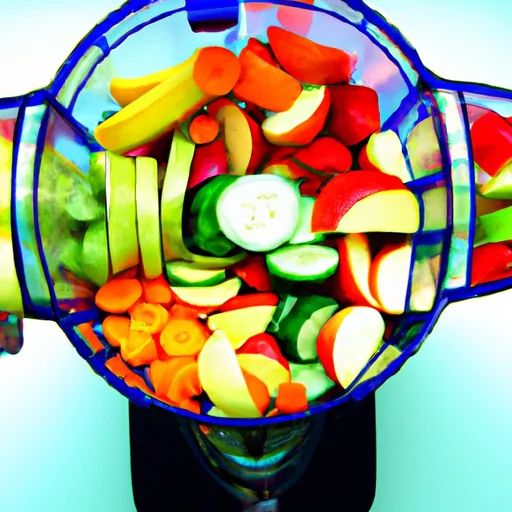
Looking to add a healthy and delicious twist to your everyday diet? Look no further than smoothies! In this article, we will explore the art of blending for balance and discover how you can effortlessly incorporate smoothies into your daily routine. From boosting your nutrient intake to satisfying your cravings, smoothies are a versatile and flavorful way to nourish your body. So grab your blender and get ready to embark on a journey towards a healthier and more vibrant you!

The Benefits of Smoothies
Smoothies have become a popular addition to many people’s diets due to their numerous health benefits. One of the most significant advantages of incorporating smoothies into your daily routine is that they boost nutrient intake. By combining a variety of fruits, vegetables, and other nutritious ingredients, you can create a power-packed drink that delivers a wide range of essential vitamins and minerals in one convenient serving.
Furthermore, smoothies are an excellent way to increase your fruit and vegetable consumption. It can be challenging to consume the recommended daily servings of fruits and vegetables, but smoothies make it easy. You can simply blend a handful of your favorite fruits and vegetables together to create a delicious and nutritious drink that fulfills your daily intake requirements.
Smoothies can also aid in weight management. When created with the right balance of ingredients, they can serve as a fulfilling meal replacement option or a satisfying snack. By incorporating a blend of fruits, vegetables, healthy fats, protein sources, and superfoods, you can create a smoothie that keeps you feeling full and satisfied for longer periods, curbing unnecessary snacking and promoting healthy weight management.
In addition to weight management, smoothies can improve digestion. Many fruits and vegetables used in smoothies are high in dietary fiber, which aids in digestion and helps maintain a healthy digestive system. By including ingredients like leafy greens and fiber-rich fruits in your smoothies, you can support regular bowel movements and promote overall gut health.
Choosing the Right Blender
To make the perfect smoothie, it’s essential to choose the right blender. Consider your needs and how often you will be using it. If you plan to make smoothies frequently, investing in a high-quality blender is a wise choice. Additionally, consider the power and speed of the blender. Blenders with high wattage and multiple speed settings ensure that your ingredients are properly blended to achieve a smooth consistency.
There are different types of blenders available, each with its own set of advantages. Countertop blenders are the most common and versatile, capable of blending a wide range of ingredients. Immersion blenders are handheld and ideal for smaller quantities or single-serving smoothies. Personal blenders are compact and come with individual-sized blending cups, perfect for on-the-go smoothie enthusiasts.
Budget is another important consideration when choosing a blender. While high-end blenders offer more power and durability, they can be quite expensive. However, there are plenty of budget-friendly options available that still provide excellent blending capabilities. Set a budget that suits your needs and explore blenders within that range to find the perfect one for you.
Selecting Ingredients for Balanced Smoothies
When it comes to creating balanced smoothies, selecting the right ingredients is crucial. By incorporating a variety of fruits, leafy greens, healthy fats, protein sources, and superfoods, you can ensure that your smoothie is packed with essential nutrients and provides optimal health benefits.
Including a variety of fruits in your smoothies not only adds natural sweetness but also provides an abundance of vitamins and antioxidants. Choose fruits that are in season for the best flavor and nutritional value. Berries, such as strawberries, blueberries, and raspberries, are excellent choices due to their high antioxidant content.
Leafy greens are another essential ingredient to add to your smoothies. Spinach, kale, and Swiss chard are just a few examples of nutrient-dense greens that are easily masked by the flavors of other ingredients. They provide an excellent source of vitamins A, C, and K, as well as fiber and minerals.
To add a creamy texture and healthy fats to your smoothies, consider including ingredients like avocado, coconut milk, or nut butter. These ingredients not only enhance the taste and texture of your smoothie but also provide essential fatty acids that are beneficial for heart health and brain function.
Incorporating a source of protein, such as Greek yogurt, hemp seeds, or protein powder, is important for muscle repair and growth. Protein helps to keep you feeling full and satisfied, making it an essential component of a meal replacement smoothie or a post-workout recovery drink.
Superfoods, like chia seeds, flaxseeds, and spirulina, can take your smoothies to the next level. These nutrient-dense ingredients provide an array of health benefits, including boosting energy levels, improving digestion, and supporting immune function. Experiment with different superfoods to find the ones that suit your taste preferences and health goals.
Preparation Tips for Smoothie Blending
Proper preparation is essential for creating the perfect smoothie. Begin by washing and cutting your fruits and vegetables to ensure they are clean and ready for blending. Remove any stems, pits, or seeds, and chop larger fruits and vegetables into manageable pieces.
Accurately measuring your ingredients is also important for consistent and balanced smoothies. Use measuring cups or kitchen scales to ensure accurate portions and to maintain proper ratios of fruits, vegetables, and other ingredients.
To achieve the desired consistency of your smoothie, you’ll need to add a liquid base. Water, almond milk, coconut water, or fruit juices are common choices. The amount of liquid you add will depend on the thickness you prefer.
For a creamier texture, consider freezing some of your fruits before blending. Frozen fruits add thickness and chilliness to your smoothie without the need for ice cubes, which can dilute the flavor. Freeze fruits like bananas, berries, and mangoes in advance and store them in resealable bags for quick and easy smoothie preparation.
Blending your smoothie in the proper order can also impact the final result. Start by adding the liquid base, followed by leafy greens and other soft ingredients. Add harder ingredients like frozen fruits, ice, and protein sources last. This order helps ensure that all ingredients are properly blended, resulting in a smooth and even-textured smoothie.
Creating Balanced Flavor Profiles
Balancing the sweetness and acidity of your smoothies is important for a pleasurable flavor experience. Certain fruits, like oranges and pineapples, tend to be more acidic, while others, like bananas and mangoes, are naturally sweeter. By combining different fruits in your smoothies, you can create a harmonious blend of flavors that appeals to your taste buds.
Don’t be afraid to experiment with different flavor combinations to find your personal favorite. Consider adding herbs like mint or basil, spices like cinnamon or ginger, or even a dash of vanilla extract to enhance the overall taste and aroma of your smoothies. These additions can elevate your smoothie experience and provide a pleasant surprise for your palate.
If you prefer a sweeter smoothie without adding refined sugars, natural sweeteners like honey, maple syrup, or dates can be used in moderation. These alternatives add a touch of sweetness while providing additional health benefits and nutrients.
Optimizing Nutritional Content
To truly optimize the nutritional content of your smoothies, there are a few strategies to consider. Preservation of vitamins and minerals is important when blending ingredients. To retain the maximum amount of nutrients, avoid over-blending and minimize exposure to heat and light by consuming your smoothie immediately after blending.
Enhancing the antioxidant levels in your smoothies can provide additional health benefits. Berries, green tea, and cacao powder are excellent choices for increasing antioxidant content. These ingredients help protect the body against oxidative stress and support overall cellular health.
Fiber is an essential component of a healthy diet, and smoothies can be a great way to boost your fiber intake. To maximize the fiber content of your smoothie, leave the skin on fruits like apples and pears or add ingredients like chia seeds or flaxseeds, which are rich in soluble fiber. Fiber promotes healthy digestion, regulates blood sugar levels, and contributes to feelings of fullness.
Incorporating Smoothies into Your Meal Plan
Smoothies can be a versatile addition to your meal plan and can be enjoyed in a variety of ways. For those looking to replace a meal with a smoothie, it’s important to ensure that it contains a balanced combination of nutrients. Include a source of protein, healthy fats, and a variety of fruits and vegetables to create a satisfying and nourishing meal replacement option.
Using smoothies as snacks throughout the day is another great way to incorporate them into your routine. When hunger strikes between meals, reach for a smoothie packed with fruits, vegetables, and protein to keep you feeling satisfied until your next meal.
Pairing smoothies with a balanced meal is another smart option. Enjoying a smoothie alongside a plate of lean protein, whole grains, and leafy greens can provide an extra boost of vitamins and minerals and add variety to your meal.
For those considering a detox or cleanse program, incorporating smoothies can be an effective way to support the body’s natural detoxification processes. By selecting ingredients that promote liver health, such as beets, carrots, and ginger, you can create smoothies that cleanse and nourish your body from within.
Storing and Serving Smoothies
If you have leftovers from your smoothie, it’s essential to store them properly to maintain freshness and prevent spoilage. Transfer your smoothie to an airtight container and store it in the refrigerator. It is best to consume your smoothie within 24 hours to ensure optimal taste and nutrient retention.
Choosing the right container is important for storing and serving your smoothies. Opt for a container that is BPA-free and easy to clean. Mason jars or reusable smoothie cups with secure lids are ideal for storing smoothies and taking them on the go.
When serving your smoothies, presentation can make a difference. Garnish your smoothie with fresh fruits, a sprinkle of chia seeds, or a drizzle of honey to make it visually appealing. Presentation can enhance the overall enjoyment of your smoothie experience.

Tips for a Consistent Routine
To establish a consistent smoothie routine, it’s helpful to follow a few tips. First, establish a blending schedule that works for you. Whether it’s every morning or every other day, consistency is key to reaping the benefits of smoothies. Set a reminder or incorporate it into your daily routine to ensure you don’t forget.
Prepping ingredients in advance can save time and make smoothie preparation more convenient. Wash and chop fruits and vegetables ahead of time and store them in portioned bags or containers. This way, you can simply grab the prepped ingredients and blend them together when you’re ready for a smoothie.
Trying new recipes is an exciting way to keep your smoothie routine enjoyable. Don’t be afraid to experiment with different combinations of fruits, vegetables, and flavors. There are countless smoothie recipes available online or in recipe books that can inspire you to try something new.
Above all, remember to keep it enjoyable. Smoothie preparation should be a fun and creative experience. Customize your smoothies according to your tastes and preferences, and don’t be afraid to modify recipes to suit your individual needs. Incorporating smoothies into your everyday diet should be a pleasurable and rewarding journey.
Addressing Common Concerns
While smoothies offer many benefits, there are a few common concerns that people often have. One concern is the sugar content of smoothies. While fruits do contain natural sugars, when combined with other ingredients like leafy greens and protein sources, the overall sugar content can be balanced and much lower than store-bought sugary drinks or processed foods. It’s important to monitor the amount of sugar you add to your smoothies and choose low-sugar fruits, such as berries, to minimize any potential negative effects.
Potential allergens and sensitivities are also a concern for some individuals. If you have known allergies or sensitivities to specific ingredients, it’s important to avoid them when preparing your smoothies. Be mindful of cross-contamination and always read labels to ensure that the ingredients you choose are safe for you to consume.
Smoothies can be an excellent addition to the diet of individuals with diabetes, although it’s important to monitor carbohydrate intake and choose ingredients with a lower glycemic index. Opt for low-sugar fruits and include sources of protein and healthy fats to help regulate blood sugar levels. Consulting with a registered dietitian may be helpful in creating a customized smoothie plan that suits your needs.
Lastly, some individuals may wonder whether smoothies can help with weight gain or weight loss. Smoothies can be a valuable tool for both goals, depending on the ingredients and portion sizes. For weight gain, adding healthy fats, protein, and higher-calorie ingredients can help increase calorie intake. For weight loss, incorporating more vegetables, reducing portion sizes, and avoiding high-sugar ingredients can support calorie control. It’s important to consult with a healthcare professional or registered dietitian to create an individualized plan that aligns with your specific weight goals.