
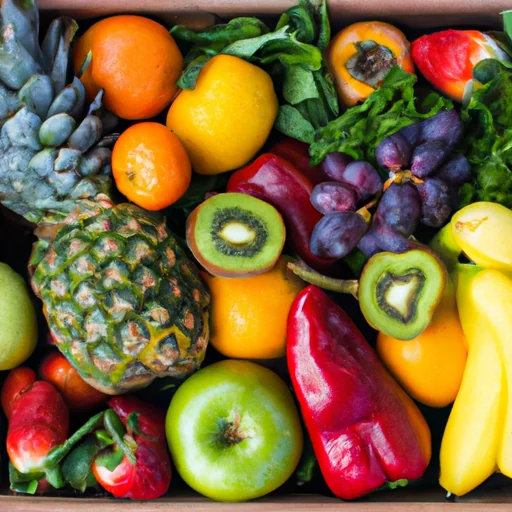
Are you a smoothie enthusiast? If so, you’ve probably pondered the age-old question: is it better to make your own smoothies at home or purchase them from a store? Well, wonder no more! In this article, we will unveil the truth behind homemade versus store-bought smoothies, exploring the pros and cons of each option. Whether you’re looking to save money, control your ingredients, or simply enjoy a delicious and convenient beverage, we’ve got all the information you need to make an informed choice. So grab your blender or head to the nearest supermarket, because it’s time to delve into the world of smoothies!

Nutritional Value
Comparison of Nutrients
When it comes to the nutritional value of homemade versus store-bought smoothies, there is no doubt that homemade smoothies offer more benefits. By making your own smoothies, you have control over the ingredients and can ensure that they are fresh and full of nutrients. Homemade smoothies allow you to choose the quality of fruits, vegetables, and other ingredients, ensuring that you’re getting the maximum amount of vitamins, minerals, and antioxidants in every sip.
On the other hand, store-bought smoothies often contain added sugars, preservatives, and other additives that can diminish their nutritional value. While store-bought smoothie brands may advertise their products as healthy, it’s important to read the labels carefully and be aware of any hidden ingredients that may not be beneficial for your health.
Quality of Ingredients
One of the major advantages of homemade smoothies is the quality of ingredients you can use. When making your own smoothies, you have the opportunity to choose fresh and organic produce, ensuring that you are getting the highest quality ingredients. Store-bought smoothies, on the other hand, often use fruits and vegetables that may have been sitting on the shelves for a while, causing a potential loss of nutrients.
Additionally, homemade smoothies allow you to control the source of your ingredients. You can support local farmers and choose eco-friendly options, reducing your carbon footprint and promoting sustainable agriculture.
Additives and Preservatives
Another factor to consider when comparing the nutritional value of homemade and store-bought smoothies is the presence of additives and preservatives. Homemade smoothies are often free from these unnecessary ingredients, allowing you to enjoy a beverage that is pure and natural. Store-bought smoothies, on the other hand, may contain preservatives to extend their shelf life or additives to enhance their flavor or appearance. These additives and preservatives can have negative effects on your health, especially if consumed in large quantities over time.
By making your own smoothies at home, you have the power to create a nutritious and additive-free beverage that you can feel good about drinking.
Cost
Price per Serving
When it comes to cost, homemade smoothies are often more affordable than their store-bought counterparts. While store-bought smoothies can range in price, making your own smoothies allows you to control the cost by choosing budget-friendly ingredients or taking advantage of sales and discounts at your local grocery store or farmers’ market.
Initial Investment
While there may be an initial investment when it comes to purchasing a blender or other equipment for making smoothies at home, this cost is usually relatively low compared to the long-term savings and benefits. Investing in a high-quality blender allows you to make smoothies whenever you want, saving you money in the long run by avoiding the need to purchase expensive pre-made smoothies.
Long-Term Savings
One of the major advantages of making your own smoothies is the potential for long-term savings. By investing in the necessary equipment and regularly making your own smoothies, you can save a significant amount of money compared to buying store-bought smoothies on a regular basis. Additionally, by choosing cost-effective ingredients and buying in bulk, you can further reduce your expenses without compromising on the nutritional value or taste of your homemade smoothies.
Freshness
Time Since Preparation
When it comes to freshness, homemade smoothies are at a clear advantage. By making your own smoothies, you can enjoy them immediately after preparing, ensuring that you’re getting the maximum freshness and flavor. Store-bought smoothies, on the other hand, may have been sitting on the shelves for days or even weeks before reaching your hands.
Shelf Life
Shelf life is another important factor to consider when comparing the freshness of homemade and store-bought smoothies. Homemade smoothies are best consumed immediately or within a couple of days to maintain their nutritional value and taste. Store-bought smoothies, on the other hand, often contain preservatives and have a longer shelf life. While the extended shelf life may seem convenient, it usually comes at the cost of freshness and overall quality.
Ingredient Selection
Choosing the ingredients for your homemade smoothies allows you to prioritize freshness. By selecting fresh, seasonal fruits and vegetables, you can ensure that your smoothies are bursting with flavor and nutrients. Store-bought smoothies often have limited options when it comes to ingredient selection, and you may be restricted to the fruits and vegetables that are currently in stock. This can result in a less diverse and less satisfying smoothie experience.
Customization
Control Over Ingredients
One of the greatest advantages of homemade smoothies is the control you have over the ingredients. You can tailor your smoothies to your specific preferences and dietary needs. Whether you prefer a dairy-free, gluten-free, or vegan smoothie, making your own allows you to choose the exact ingredients that align with your dietary requirements and taste preferences. This level of customization can be difficult to achieve with store-bought smoothies, as they are often pre-made with limited options for substitution or modification.
Tailored to Dietary Needs
Homemade smoothies offer the opportunity to cater to your specific dietary needs. If you have allergies or intolerances, making your own smoothies allows you to carefully select ingredients that won’t cause any adverse reactions. Additionally, if you are following a specific diet plan or trying to achieve certain health goals, homemade smoothies can be easily customized to fit your needs. You have the power to control the portion sizes, sugar content, and nutrient balance of the smoothie, ensuring that it aligns with your nutritional goals.
Variety and Creativity
With store-bought smoothies, you may be limited to the flavors and combinations available from the brand. Homemade smoothies, however, offer limitless possibilities for variety and creativity. You can experiment with different fruits, vegetables, and superfood additions to create unique and delicious blends. This variety not only keeps your taste buds satisfied but also ensures that you’re getting a wide range of nutrients from different ingredients.
Convenience
Preparation Time
While homemade smoothies may require a bit of effort in terms of preparation, they can still be convenient, especially with proper planning. By setting aside a few minutes each day to make your smoothie or preparing them in advance, you can have a healthy and delicious drink ready to go whenever you need it. Store-bought smoothies are often marketed as a convenient option, but they can be limited in terms of flavor options and may not always be readily available when you want them.
Availability
The availability of store-bought smoothies can vary depending on your location and the brands available in your area. If you live in an area with limited options or have specific dietary preferences, finding a store-bought smoothie that meets your needs may be challenging. Homemade smoothies, on the other hand, are always available to you, as long as you have the necessary ingredients on hand. This convenience ensures that you never have to compromise on your dietary preferences or settle for a less nutritious option.
Portability
While store-bought smoothies are often packaged in convenient, grab-and-go containers, homemade smoothies can also be made portable with the right equipment. Investing in a reusable travel cup or mason jar with a secure lid allows you to take your homemade smoothie with you wherever you go. This not only saves you money on single-use packaging but also ensures that you can enjoy a nutritious and delicious smoothie even when you’re on the move.
Taste
Preference for Freshness
For those who value freshness and the natural flavors of fruits and vegetables, homemade smoothies are the clear winner. By using fresh and ripe produce, you can unlock the full potential of flavors in your smoothies. Store-bought smoothies, while still tasty, may not have the same level of freshness and flavor due to the potential for prolonged storage and processing.
Enhancements and Additions
One of the joys of making your own smoothies is the ability to enhance and personalize the flavors. Adding ingredients like spices, herbs, or natural sweeteners can elevate the taste and create a unique blend that suits your preferences. Store-bought smoothies often lack the option for customization, leaving you with limited choices when it comes to flavor enhancements.
Consistency
Achieving the perfect consistency is an important aspect of any smoothie. Homemade smoothies allow you to control the texture and consistency to suit your preferences. Whether you like your smoothies thick and creamy or thin and refreshing, a blender in your own kitchen gives you the power to achieve the desired outcome. Store-bought smoothies, on the other hand, may have a consistent texture throughout, which may not align with your preferences.
Allergies and Dietary Restrictions
Ingredient Control
For individuals with allergies or dietary restrictions, the ability to control the ingredients is essential. Making your own smoothies ensures that you can exclude any allergens or ingredients that you need to avoid. By carefully selecting each ingredient, you can create a delicious and safe smoothie that caters to your specific dietary needs.
Cross-Contamination
Cross-contamination can be a concern for those with severe allergies or sensitivities. When making your own smoothies, you can ensure that your equipment and ingredients are clean and uncontaminated, minimizing the risk of exposure to allergens. Store-bought smoothies, while they may claim to be allergen-free, may still have a chance of cross-contamination during the manufacturing or packaging process.
Specialized Options
Homemade smoothies allow you to explore and experiment with specialized dietary options. Whether you follow a ketogenic, paleo, or low-sugar diet, making your own smoothies gives you the freedom to choose ingredients that align with your chosen eating plan. Store-bought smoothies may have limited options for specialized diets, making it more challenging to find suitable options for your specific needs.
Health Benefits
Fiber Content
Fiber is an essential nutrient that plays a crucial role in digestion and overall health. Homemade smoothies can offer a high fiber content, especially when you include ingredients like leafy greens, fruits with edible skins, and chia seeds. By blending these ingredients, you retain the fiber content in your smoothie, promoting healthy digestion and providing a feeling of fullness.
Sugar Control
Homemade smoothies allow you to have complete control over the sugar content. By using natural sweeteners like fruits or honey, you can create a satisfying and sweet smoothie without relying on excessive amounts of added sugars. Store-bought smoothies, on the other hand, may contain added sugars or sweeteners to enhance the taste, potentially leading to higher sugar intake.
Control Over Portions
Portion control is an important aspect of maintaining a healthy diet. By making your own smoothies, you can control the portion sizes and ensure that you’re consuming an appropriate amount of calories and nutrients. Store-bought smoothies often come in standardized sizes, which may not align with your individual needs or dietary goals.

Environmental Impact
Packaging Waste
One of the major drawbacks of store-bought smoothies is the amount of packaging waste they generate. Most store-bought smoothies come in single-use plastic bottles or containers that contribute to environmental pollution. By making your own smoothies at home, you can use reusable containers or glass jars, significantly reducing your ecological footprint and promoting a more sustainable lifestyle.
Transportation Emissions
Store-bought smoothies often require transportation from the manufacturing facility to the store. This transportation process contributes to carbon emissions and air pollution. Making your own smoothies at home eliminates the need for transportation emissions, as you are sourcing the ingredients from local suppliers or your own garden.
Sourcing Responsibly
By making your own smoothies, you have the opportunity to support local farmers and businesses. By purchasing fresh and seasonal ingredients from local markets, you can reduce the environmental impact of long-distance transportation and support sustainable agriculture practices. Store-bought smoothies, on the other hand, may source their ingredients from various locations, making it difficult to determine the environmental impact of their sourcing practices.
Precautions and Safety
Food Safety Guidelines
When making your own smoothies, it’s important to follow proper food safety guidelines to ensure the safety and quality of your drink. This includes washing fruits and vegetables thoroughly, using clean utensils and equipment, and storing the smoothies at the appropriate temperature. By following these guidelines, you can enjoy homemade smoothies without compromising your health.
Quality Assurance
One of the advantages of homemade smoothies is the assurance of quality. By carefully selecting fresh and reliable ingredients, you can have confidence in the taste and safety of your smoothies. Store-bought smoothies, while they may undergo quality checks, rely on a larger production process that may introduce more opportunities for quality issues.
Proper Storage
Storing smoothies properly is essential to maintain their freshness and prevent spoilage. Homemade smoothies should be stored in airtight containers in the refrigerator and consumed within a couple of days. Store-bought smoothies often come with instructions for storage, but they may contain preservatives or additives to extend their shelf life. It is important to read the labels and follow the recommended storage guidelines to ensure the safety and quality of your store-bought smoothies.
In conclusion, when it comes to homemade vs. store-bought smoothies, homemade smoothies offer numerous advantages in terms of nutritional value, cost, freshness, customization, convenience, taste, allergen control, health benefits, environmental impact, and precautions. By making your own smoothies, you have full control over the ingredients, can tailor the smoothie to your dietary needs and preferences, and can enjoy the benefits of fresh and flavorful creations. While store-bought smoothies may provide convenience, they often lack the same level of customization, quality of ingredients, and nutritional value. So, grab your blender, get creative, and enjoy the delicious and nutritious benefits of homemade smoothies.